
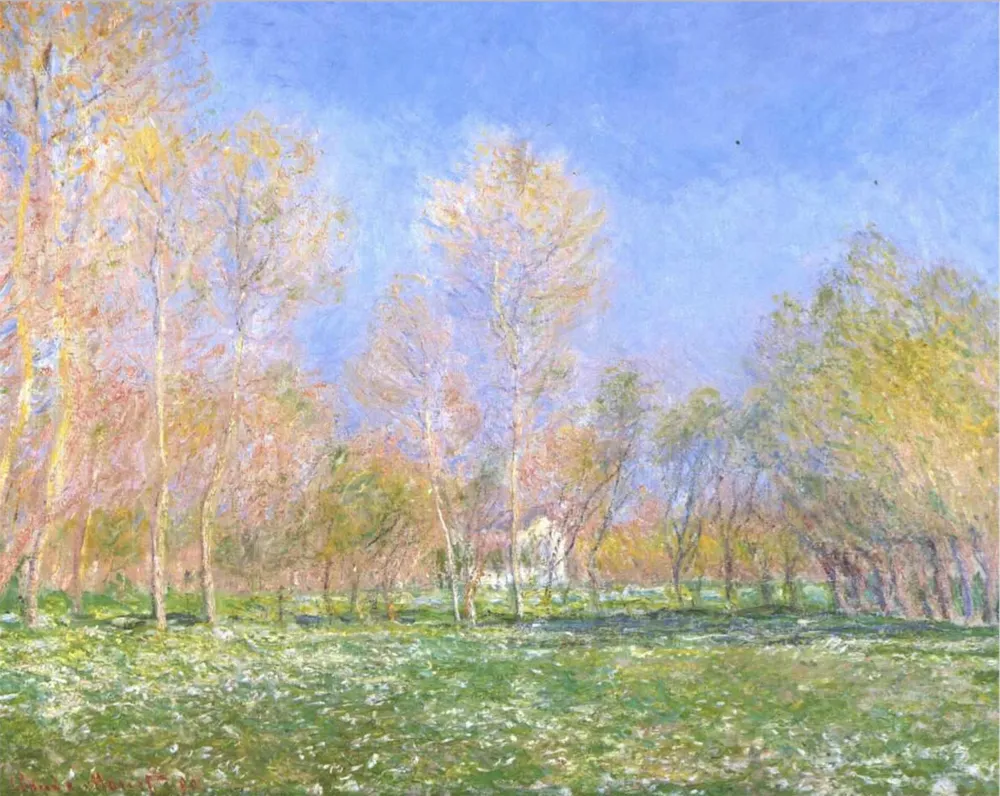
Artist Network Mail 에 좋은 글이 있어 옮긴다.
( 번역은 구글 번역, 영어 원문은 맨 뒤에)
----------------------------------------------------------------------------------------
1. 먼저 주변을 자세히 관찰하세요.
풍경화를 그리면 보는 이가 새로운 환경으로 여행을 떠나는 듯한 느낌을 받을 수 있습니다.
진정으로 표현력 있는 작품을 만들기 위해서는 단순히 주변을 훑어보고 자리를 잡는 데
그치지 않고, 충분히 관찰하는 것이 중요합니다. 걸어 다니거나 잠시 앉아서 주변 풍경을 꼼꼼히 살펴보세요.
2. 시선에 집중하세요.
바위 절벽이든 번화한 도심이든, 야외 풍경은 무궁무진한 소재를 제공합니다.
하지만 때로는 너무 많은 요소에 집중하다 보면 그림이 복잡하고 어수선해 보이며
중심 소재가 부족해질 수 있습니다. 시선을 사로잡는 대상을 중심으로 그림을 시작하고,
나머지는 최소화하세요.
3. 빛이 핵심입니다.
빛은 하루 종일 변하기 때문에 야외에서 그림을 그릴 때 빛을 정확하게 포착하는 것이
가장 큰 어려움 중 하나입니다. 하지만 반대로, 빛을 제대로 포착해낼 수 있다면
그림의 완성도는 순식간에 높아집니다. 빛의 질감을 관찰하고,
관찰력을 바탕으로 하되 즉흥적인 해석을 시도해 보세요.
4. 푸른 하늘을 그리려 하지 마세요.
푸른 하늘은 거의 존재하지 않습니다. 하늘은 순수한 파란색 한 가지 색깔이 아니라
다양한 색으로 이루어져 있습니다.
5. 균형을 유지하세요.
그림을 그리는 시간만큼 관찰하는 데에도 시간을 투자하세요. 직접 관찰하는 것,
즉 현장에 가서 보고, 소통하고, 대상의 본질을 표현하는 것만큼 중요한 것은 없습니다.
6. 경이로움을 추구하세요.
허드슨 리버 스쿨의 알버트 비어슈타트(독일계 미국인, 1830~1902)와
토머스 모란(미국, 1837~1926)은 기술적으로 뛰어날 뿐만 아니라 무엇보다도
경외감을 불러일으키는 미국 풍경화를 그렸습니다.
그들은 자신에게 가장 큰 영감을 준 풍경의 요소들을 극대화하여,
마치 현실이 아닌 것처럼 밝아 보이는 빛나는 그림을 창조했습니다.
7. 작업실을 야외로 옮기지 마세요.
야외에서 작업하는 것의 매력은 일상적인 루틴을 깨고 평소와는 다른 방식으로
작업할 수 있다는 점입니다. 장소의 변화를 활용하여 더 작은 크기로 작업하거나
빛과 기타 대기적 특성에 집중하는 등 새로운 기법을 시도해 보세요.
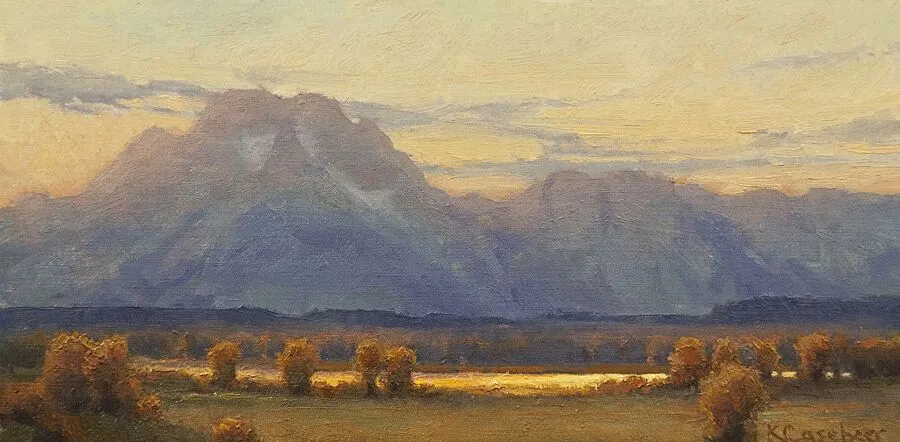
8. 색채는 공간감을 형성하는 데 기여합니다.
Kim Casebeer 작가는 풍경화를 그릴 때 대기 변화와 공간감을 정확하게
표현하기 위해 색채 팔레트를 조절합니다. 예를 들어, 전경에 있는 사물에는
일반적으로 붉은색, 주황색, 노란색이 더 많이 사용되고, 멀리 있는 사물에는 파란색, 남색, 보라색이 사용됩니다.
9. 공기의 흐름에 따라가세요.
공기는 사물을 움직입니다. 물결을 일으키고, 나뭇잎을 흔들고, 나무 가지를 흔듭니다.
붓질과 음영을 사용하여 작품에 움직임을 표현해 보세요.
10. 완벽함이 전부는 아닙니다.
"완벽한" 구도를 찾느라 하루 종일 시간을 보낼 수도 있지만, 결코 찾지 못할 수도 있습니다.
주변의 현실, 즉 스모그, 전선, 심지어 쓰레기까지도 받아들이고 예상치 못한 소재로 흥미로운 이야기를 만들어 보세요.
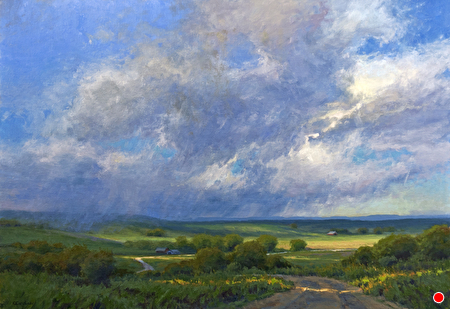
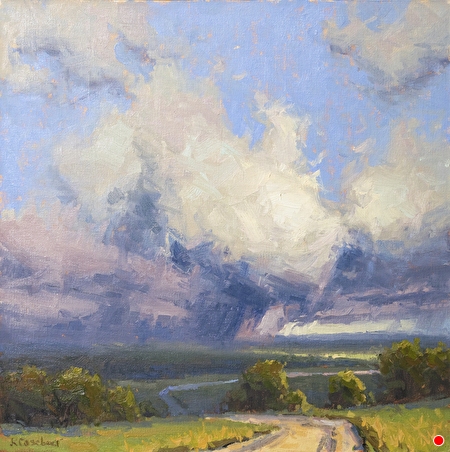
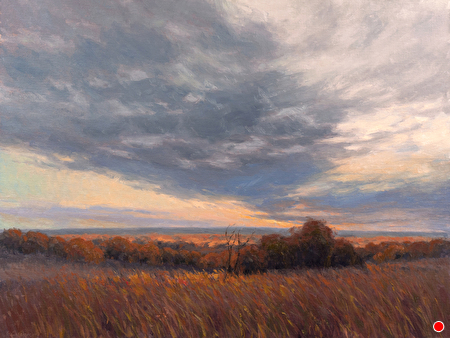
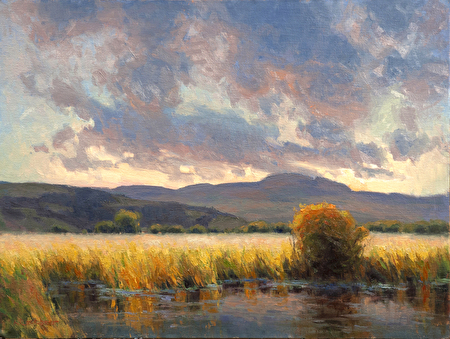
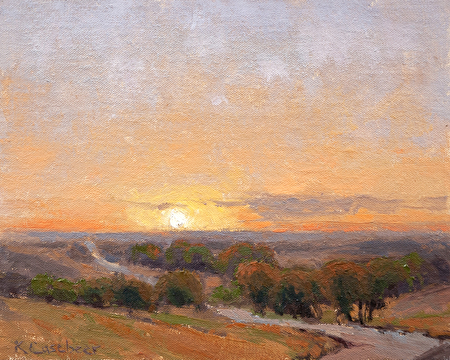
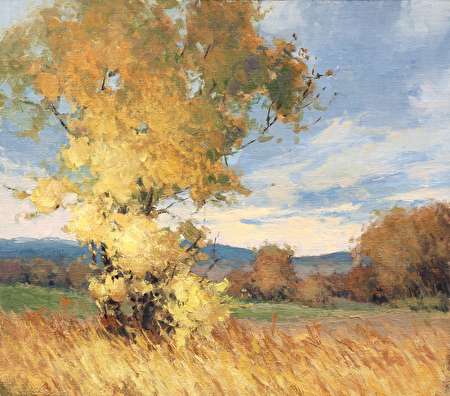
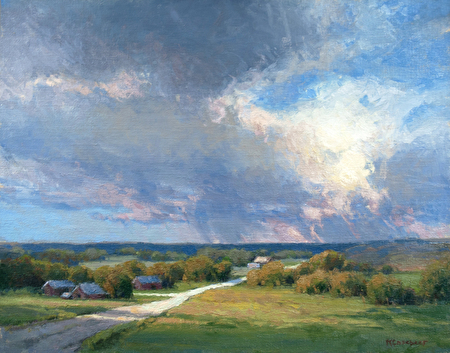
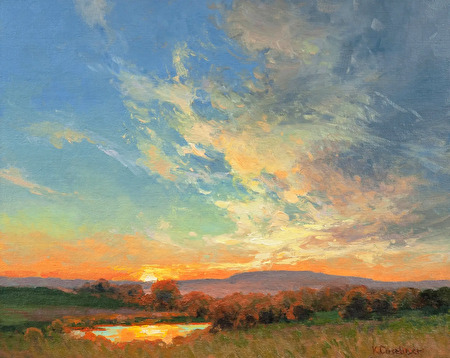
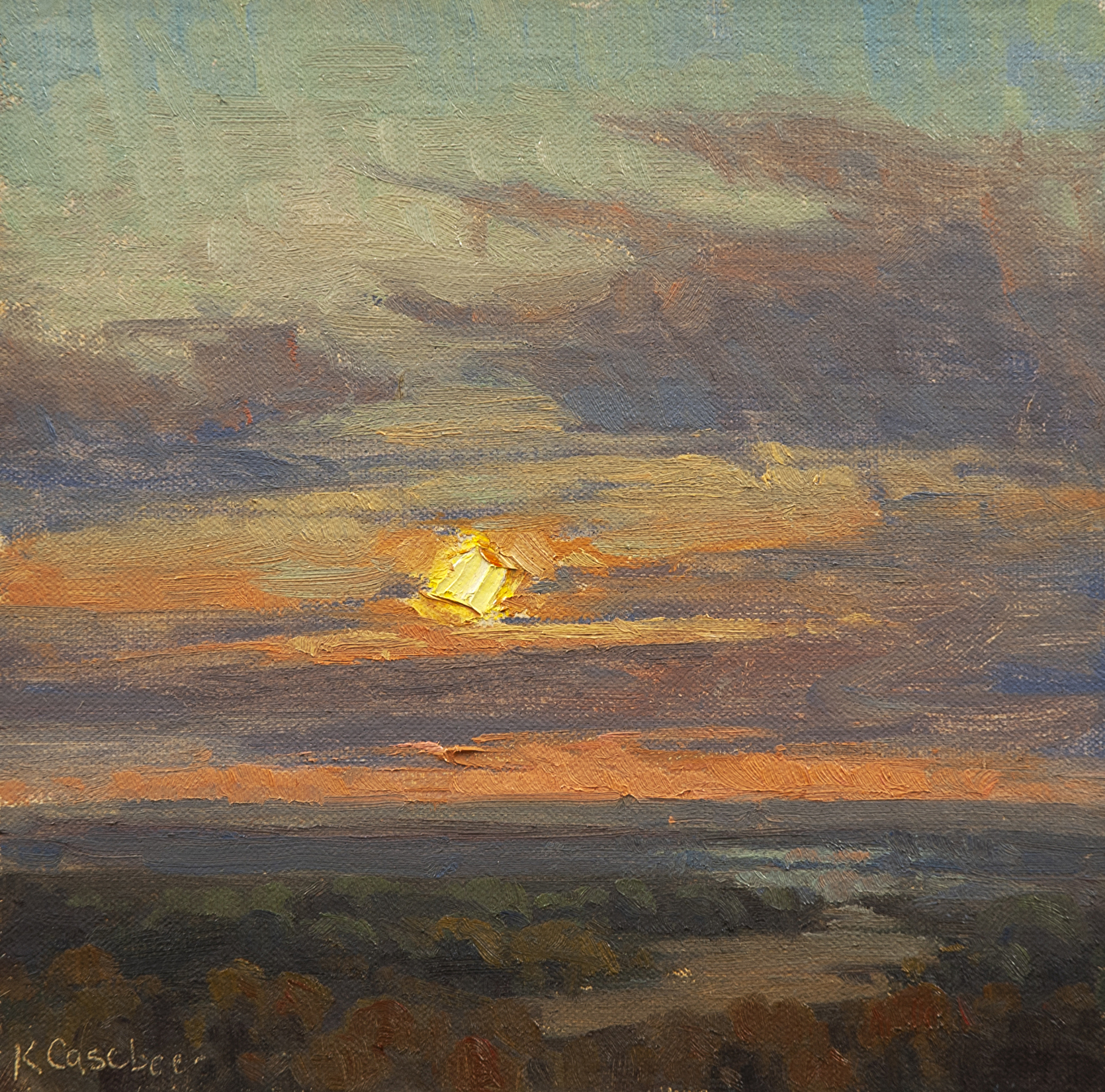
Kim Casebeer 의 작품들 ( 봄과 관련된 그림들은 아님 )..화가의 홈페이지에서 캡쳐해 왔다.








1. Start with a good, long look.
Painting landscapes lets you create work that can take the viewer on a journey into a new environment. To create a truly expressive work of art, it helps to take more than a cursory look around and quickly set up shop. Walk around or sit a spell, and really soak in the landscape around you.
2. Focus your eye.
Whether it’s a rocky cliff or a busy urban street, outdoor settings can offer myriad potential subjects. Sometimes, however, it can be too much to take in, leading to a painting that feels busy, cluttered and lacking a center of interest. Start with what you’re drawn to and tone down everything else.
3. It’s all about the light.
Light changes throughout the day, which makes accurately capturing it one of the biggest challenges of painting outdoors. The flip side, of course, is that when one is able to do this correctly, a painting is instantly elevated. Observe the quality of light, aiming for a spontaneous interpretation that still takes observation skills into consideration.
4. Don’t paint a blue sky.
Blue skies rarely exist. The sky is comprised of a variety of colors and not just one pure, blue hue.
5. Strike a balance.
Spend as much time observing as you do painting. Nothing can take the place of direct observation—of being there, seeing, communicating and expressing the spirit of one’s subject.
6. Go for awesome.
Albert Bierstadt (German-American, 1830–1902) and Thomas Moran (American, 1837–1926) of the Hudson River School produced paintings of the American landscape that were technically masterful but, most of all, were awe-inspiring. They created luminous paintings that seemed almost too bright to be true by amplifiying the elements of the landscape that inspired them most.
7. Don’t bring your studio outdoors.
The thrill of working en plein air is that you can shake up your routine and work differently than you usually might. Use the change in location to try new techniques, such as working on a smaller scale or focusing predominantly on light and other atmospheric qualities.
8. Colors contribute to a sense of space.
When creating her landscape paintings, artist Kim Casebeer adjusts her palette to accurately render atmospheric changes and a sense of space. For example, there’s usually more red, orange and yellow running through objects in the foreground, and blue, indigo and violet for shapes that recede in the distance.
9. Go with the flow—of air.
Air moves objects. It ripples water, curls leaves and sways limbs of trees. Use brushstrokes and shading to create movement in your work.
10. Perfection isn’t everything.
You can spend all day looking for a “perfect” composition that you may never find. Embrace the reality around you—smog, power lines, even debris—and open yourself up to telling interesting stories with unexpected subjects.
'그림공부' 카테고리의 다른 글
| ( 그림공부 ) 실제 경치와 그림의 비교 (2) | 2026.04.05 |
|---|---|
| ( 그림공부 ) 내 카운터 위의 물건들-Stuff on My Counter (2) | 2026.03.25 |
| ( 그림공부 ) 내면의 영감의 불꽃-The Spark of Inspiration Within (0) | 2026.03.05 |
| ( 그림공부 )추상 미술에 대한 진실 - The Truth About Abstract Art (1) | 2026.02.20 |
| ( 그림공부 ) 그림에 자유로움을 더하는 방법 (구조 vs. 즉흥성) How to Loosen up Your Paintings (structure vs spontaneity) (3) | 2026.02.18 |


