
야외에 나가서 풍경을 그리는 구상회화의 세계를 사랑하지만
비구상 그림들을 볼 때마다 언젠가는 나도 비구상 그림을 한번은 멋지게
그려보고 싶다는 충동을 느끼곤 하는데 Elaine Daily-Birnbaum 이란
미국 여류화가의 그림과 좋은 글이 있어 여기 옮긴다.
사실 구상 그림도 아직 서툰 내가 감히 비구상을 꿈꾸는 것이 조금 쑥스럽기는 하다.
하지만 완전한 비구상의 세계보다는, 구상에서 출발해 형태를 서서히 추상적으로
변주해 보는 작업은 언젠가 꼭 한 번 시도해 보고 싶은 매력적인 영역이기는 하다.
(번역은 구글 번역, 영어 원문은 맨 뒤에)
==========================================
추상 회화는 여전히 충동적이고, 구조가 없으며, 심지어는 기교가 부족하다는
뿌리 깊은 오해를 안고 있습니다. 하지만 Elaine Daily-Birnbaum 은 그 오해를 바로잡습니다.
그녀에게 추상은 규율을 버리는 것이 아니라 오히려 더욱 정교하게 다듬어진 예술 형식입니다.
더욱 날카로운 구도, 디자인, 그리고 의도에 대한 숙달을 요구하는 것이죠.
알아볼 수 있는 대상이라는 기준점이 없기에, 형태, 명암, 리듬, 색채에 대한
모든 결정은 보는 이의 시선을 사로잡고 더 깊은 감정을 불러일으키기 위해
더욱 심오한 노력을 기울여야 합니다.
Elaine Daily-Birnbaum 은 추상화를 그리기 훨씬 전부터 설명보다는
신비로움을 자아내는 작품, 즉 보는 이에게 생각할 거리를 던져주고, 암시를 주고,
오랫동안 마음속에 여운을 남기는 그림에 매료되었습니다.
오늘날 그녀의 작업실에서 추상은 해방이자 위험입니다. 구조와 내려놓음,
규칙을 아는 것과 과감하게 놓아주는 것 사이의 균형을 추구합니다.

Elaine Daily-Birnbaum 은 “추상 미술에 대한 가장 큰 오해 중 하나는 추상 미술이
방향이나 참고 자료 없이, 심지어는 예술적 기교조차 없이 무작위로 물감을 칠하는 것에
불과하다고 생각하는 것입니다.”라고 말합니다.
“이러한 견해는 미술 교육을 받지 않은 사람들이 가장 흔히 가지고 있는 생각입니다.
하지만 추상 회화의 성공에는 구상 회화나 사실주의 회화보다 구성과 디자인 요소의
원칙이 훨씬 더 중요합니다. 명확한 주제가 없는 추상 회화는 오로지 이러한 원칙과
요소들을 성공적으로 적용하여 시각적 흥미와 호기심을 불러일으키는 이미지를
만들어내는 데 의존해야 합니다.
추상 회화는 사물을 식별하려는 뇌의 자연스러운 욕구를 극복해야 합니다.”

"추상화를 그리기 전부터 저는 추상화에 매료되었습니다. 추상화는 저에게 독특하고
주관적인 경험을 선사하고, 감정적 또는 심리적 반응을 불러일으키며,
제 마음을 사로잡는 그림들이었습니다. 저는 모든 것을 설명받기보다는 그림이 주는
감각적 경험을 직접 느끼는 것을 선호합니다.
제게는 암시가 현실보다 더 강력할 수 있습니다. 알베르트 아인슈타인의 말처럼
'우리가 경험할 수 있는 가장 아름다운 것은 신비로움이다.
그것이 모든 진정한 예술과 과학의 근원이다.'"

"게다가 저는 추상 회화가 주는 표현의 자유를 사랑합니다. 물감을 통해 탐구하고
발견하는 과정 자체가 저에게는 매우 흥미롭습니다.
결과물이 만족스러울 수도 있고 아닐 수도 있지만, 그 과정 자체가 너무나 즐겁습니다."
추상 회화 입문 방법
"일반적으로 처음부터 추상화를 그리는 사람은 없습니다.
추상화는 점진적으로 발전하는 과정입니다. 다른 시각 예술과 마찬가지로 추상 미술도
위계질서가 있는 것은 아닙니다. 하지만 추상 회화에 관심 있는 사람이라면
구성 요소와 디자인 원리를 확실히 이해하는 것이 필수적입니다.
이것이 성공적인 결과물을 위한 로드맵이 됩니다."

"제 생각에 추상화를 그리고 싶은 이유를 이해하는 것 또한 매우 중요합니다.
창작 과정의 어떤 점이 매력적인가요? 어떤 이야기나 아이디어를 표현하고 싶은가요?
또한, 형태와 색채에 의존하여 매력적인 이미지나 묘사를 만들어내기 위해
의식 속 깊은 곳까지 파고드는 과정이 정신적, 감정적으로 얼마나 힘든지를 강조하고 싶습니다.
이 모든 과정에서 어느 정도 통제력을 포기하고 그림이 자연스럽게 흘러가도록
내버려 두어야 합니다. 이러한 자유로움은 제가 거의 모든 그림에서 어느 정도 어려움을
겪는 부분입니다. 조금은 두렵기도 하죠. 하지만 동시에 가장 흥미롭고 보람 있는
부분이기도 합니다. 그리고 제가 '도전적'이라고 말했던가요?"
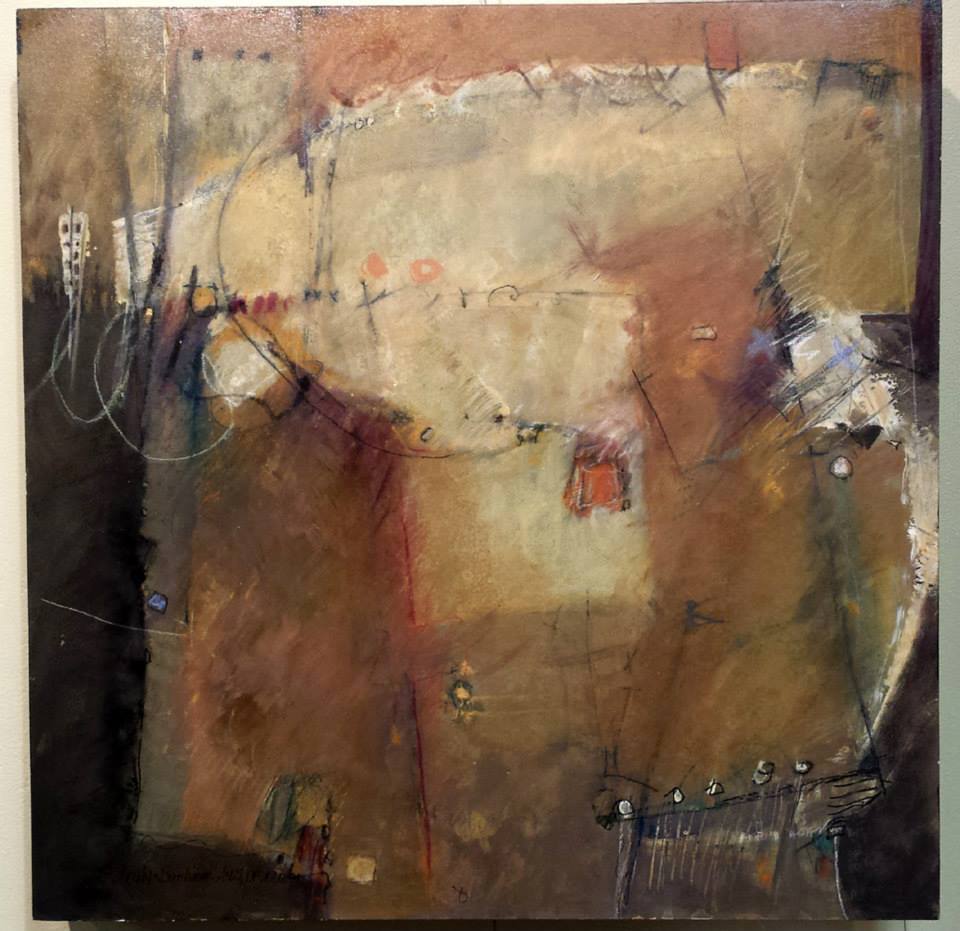
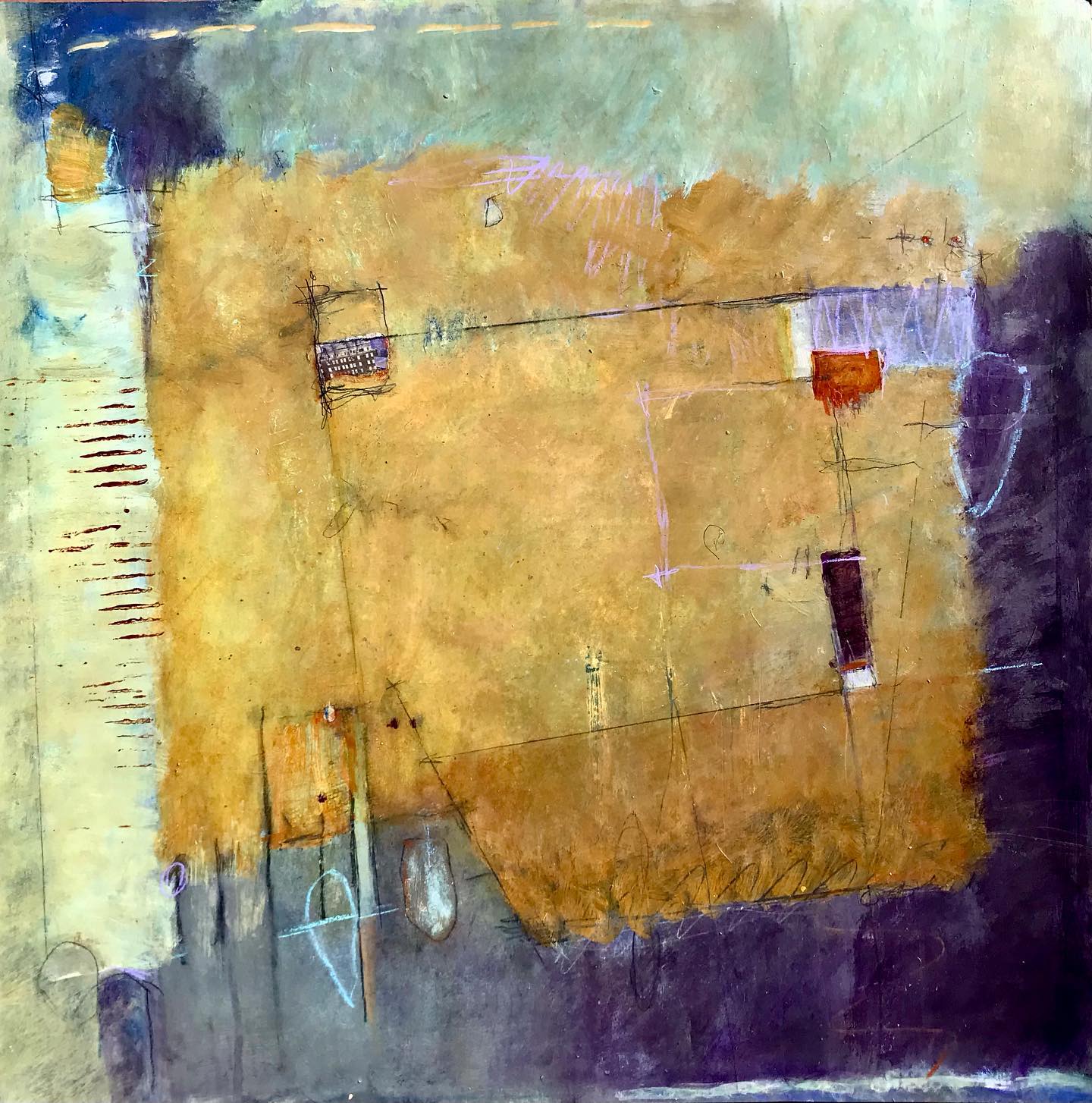
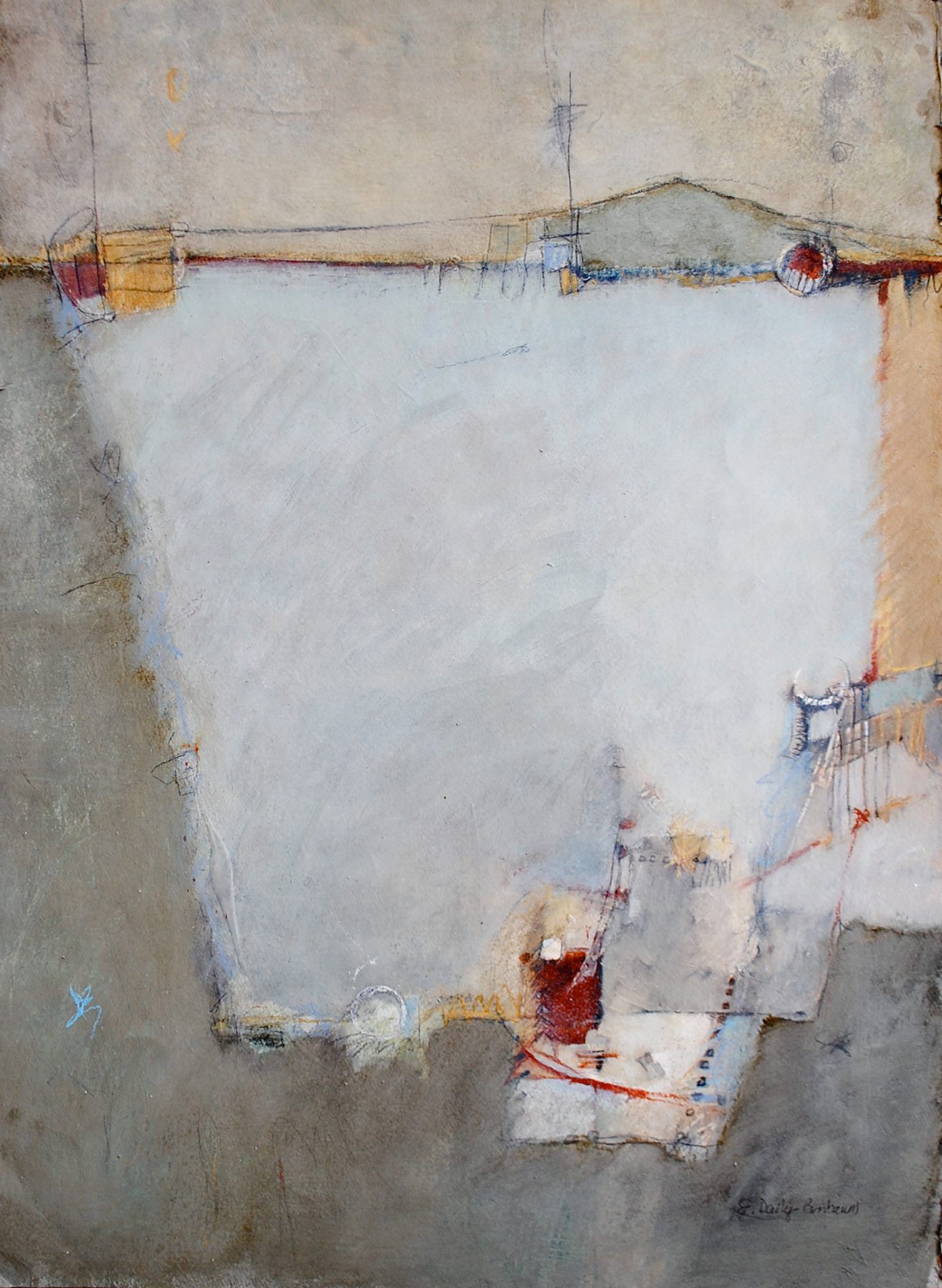
( 그녀의 다른 작품들 )





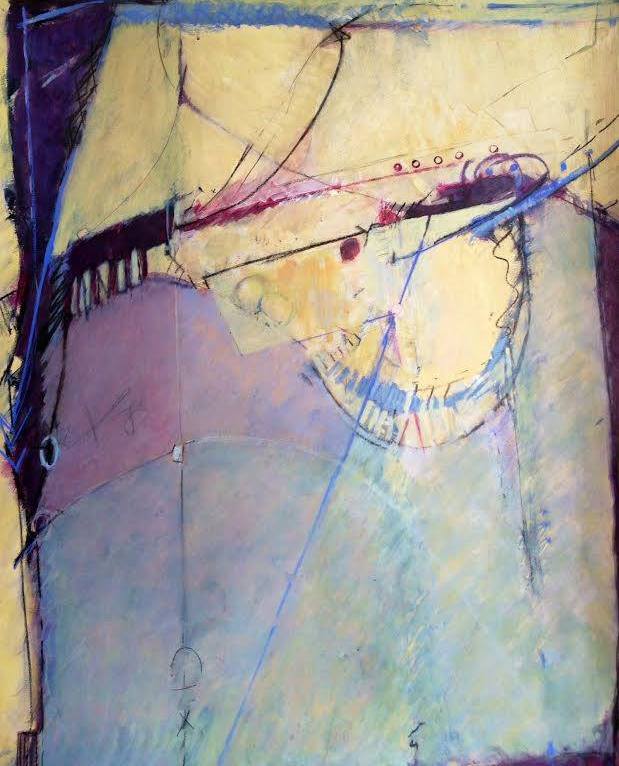


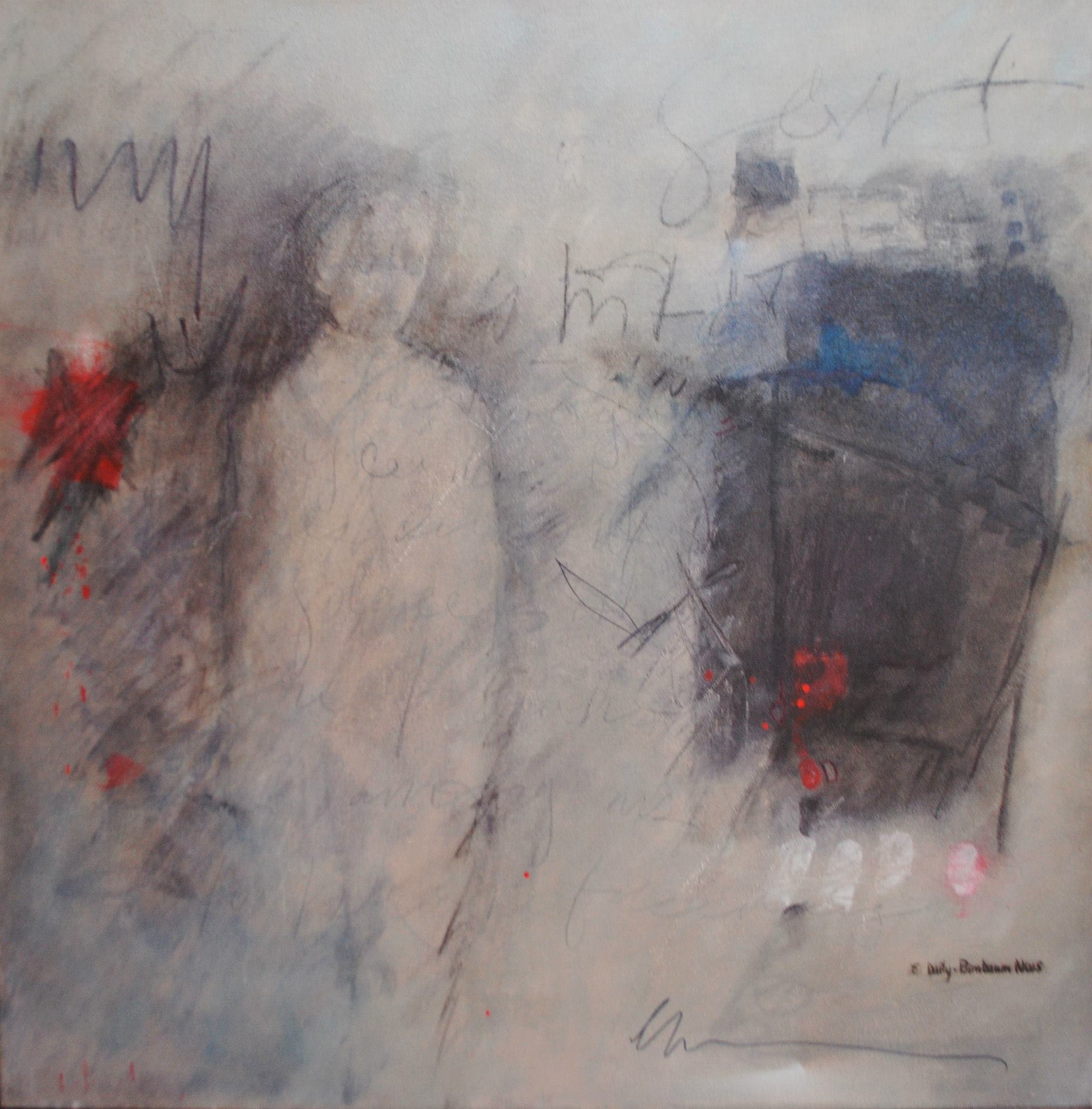
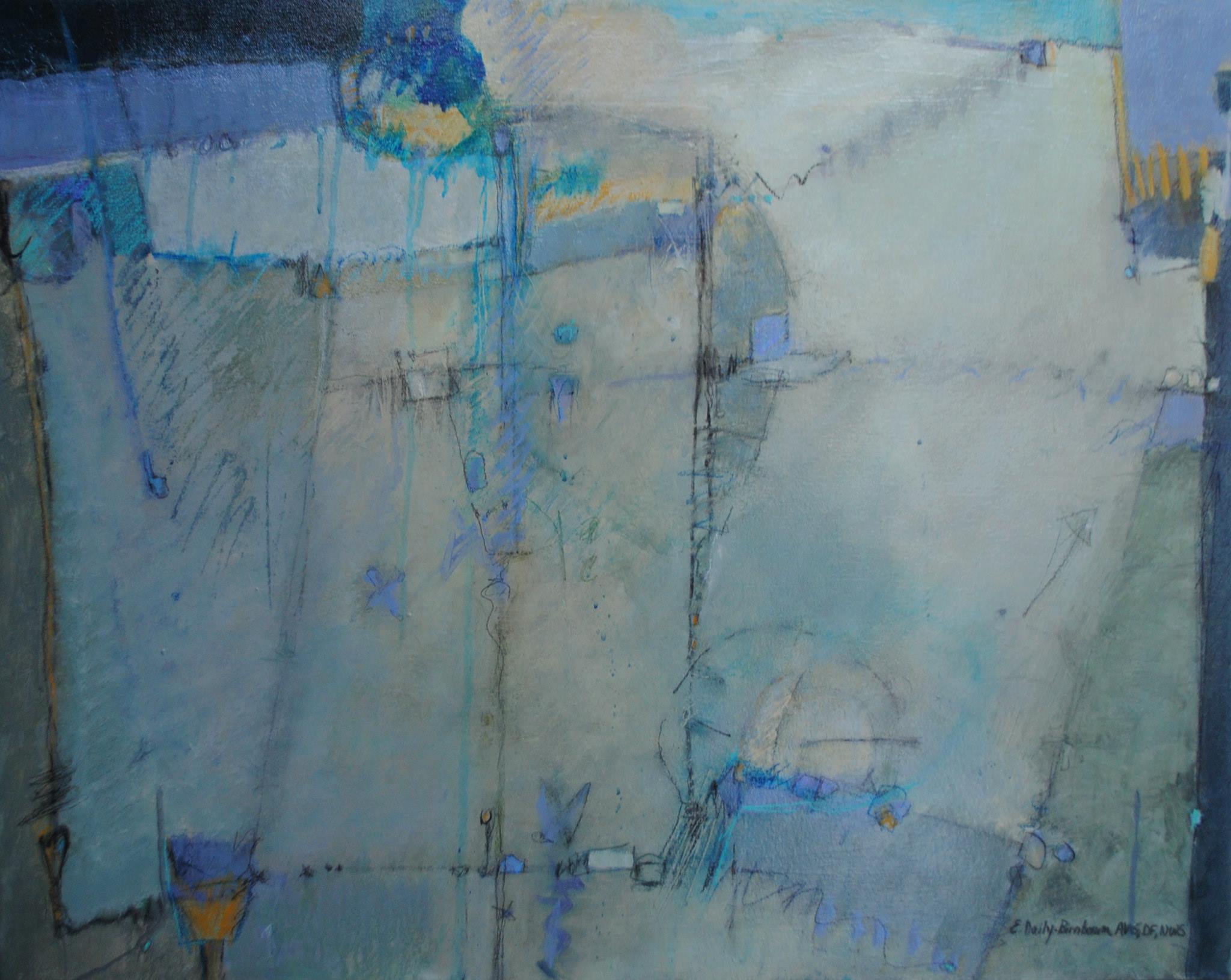
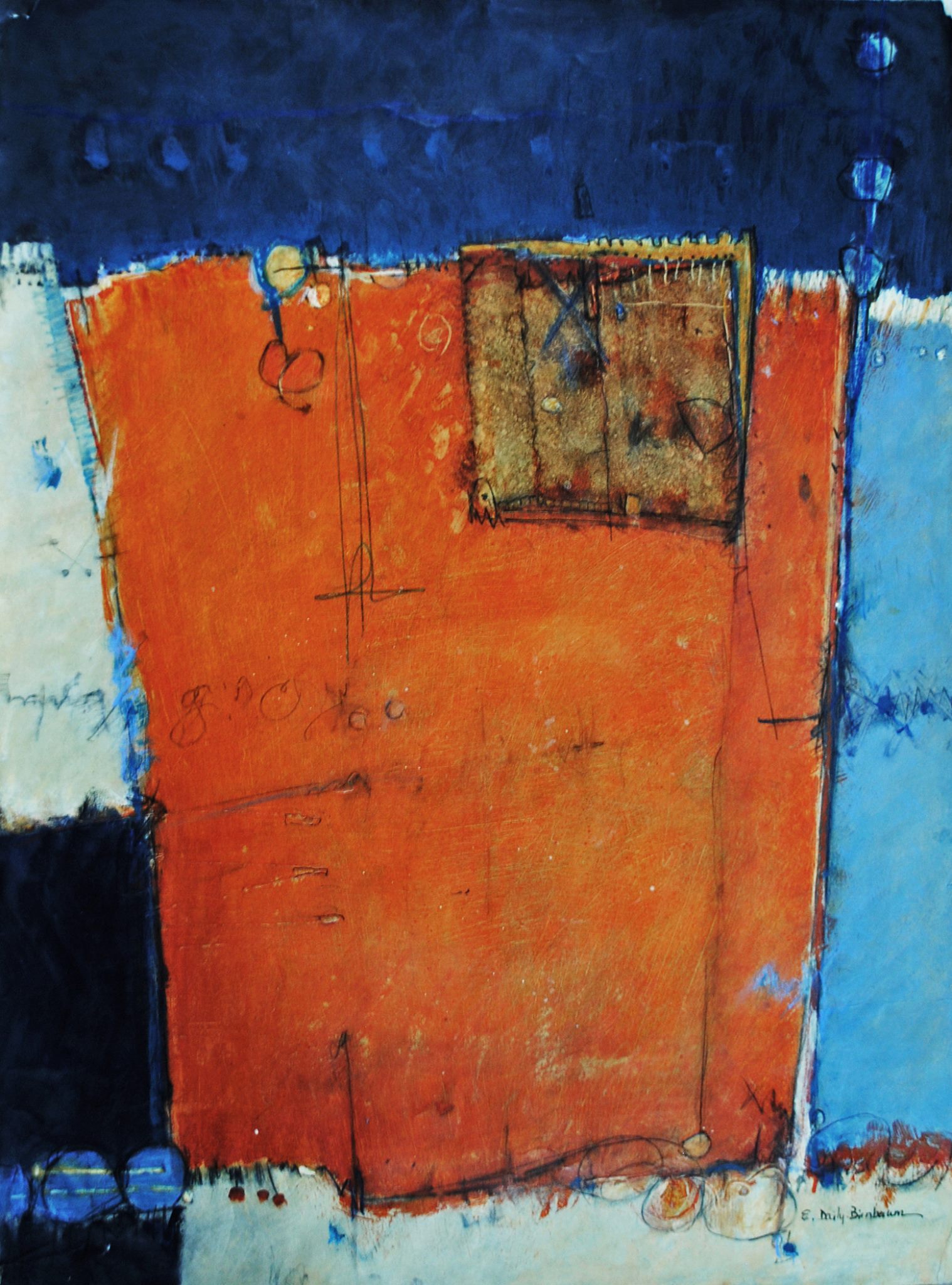


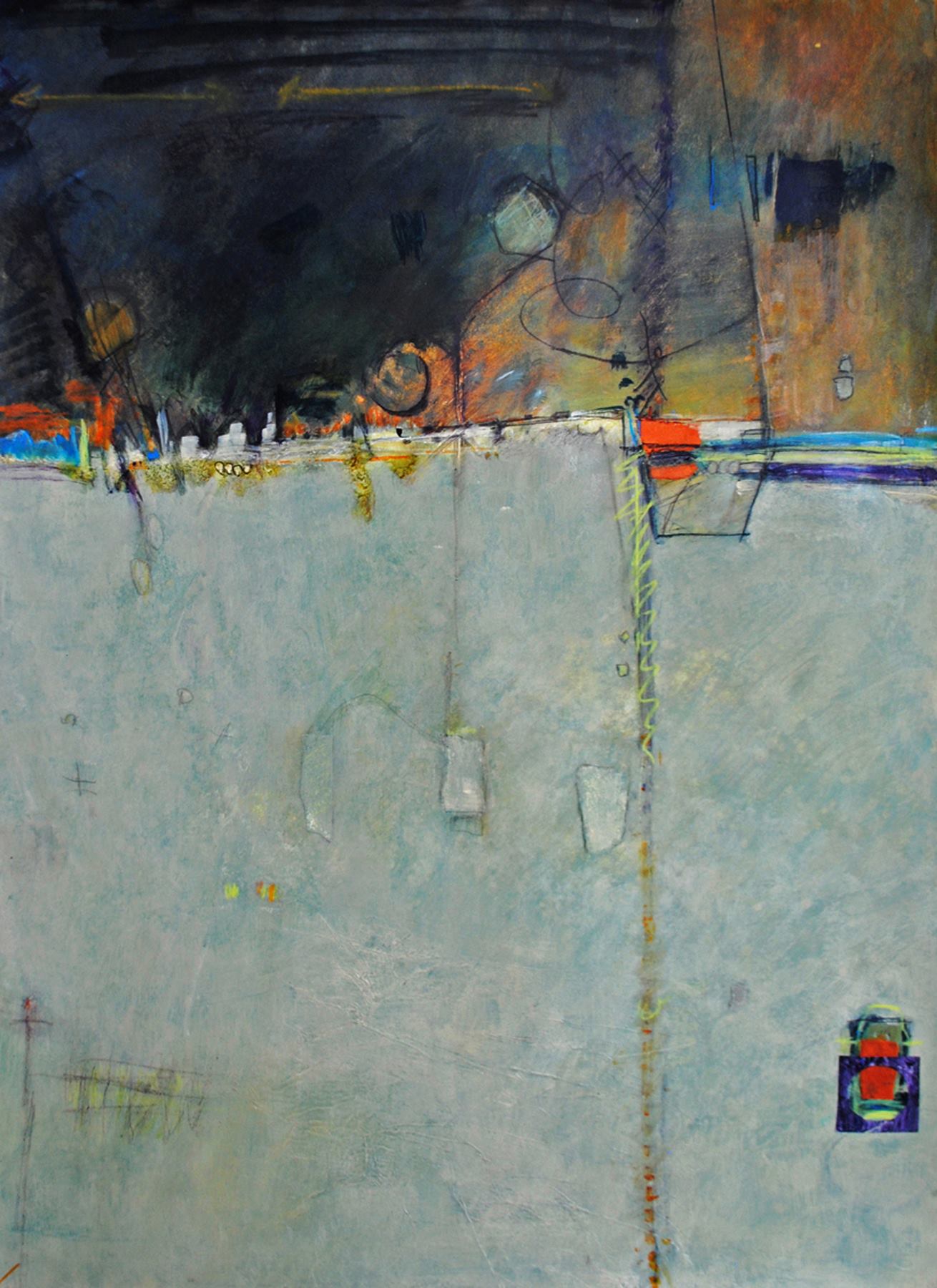
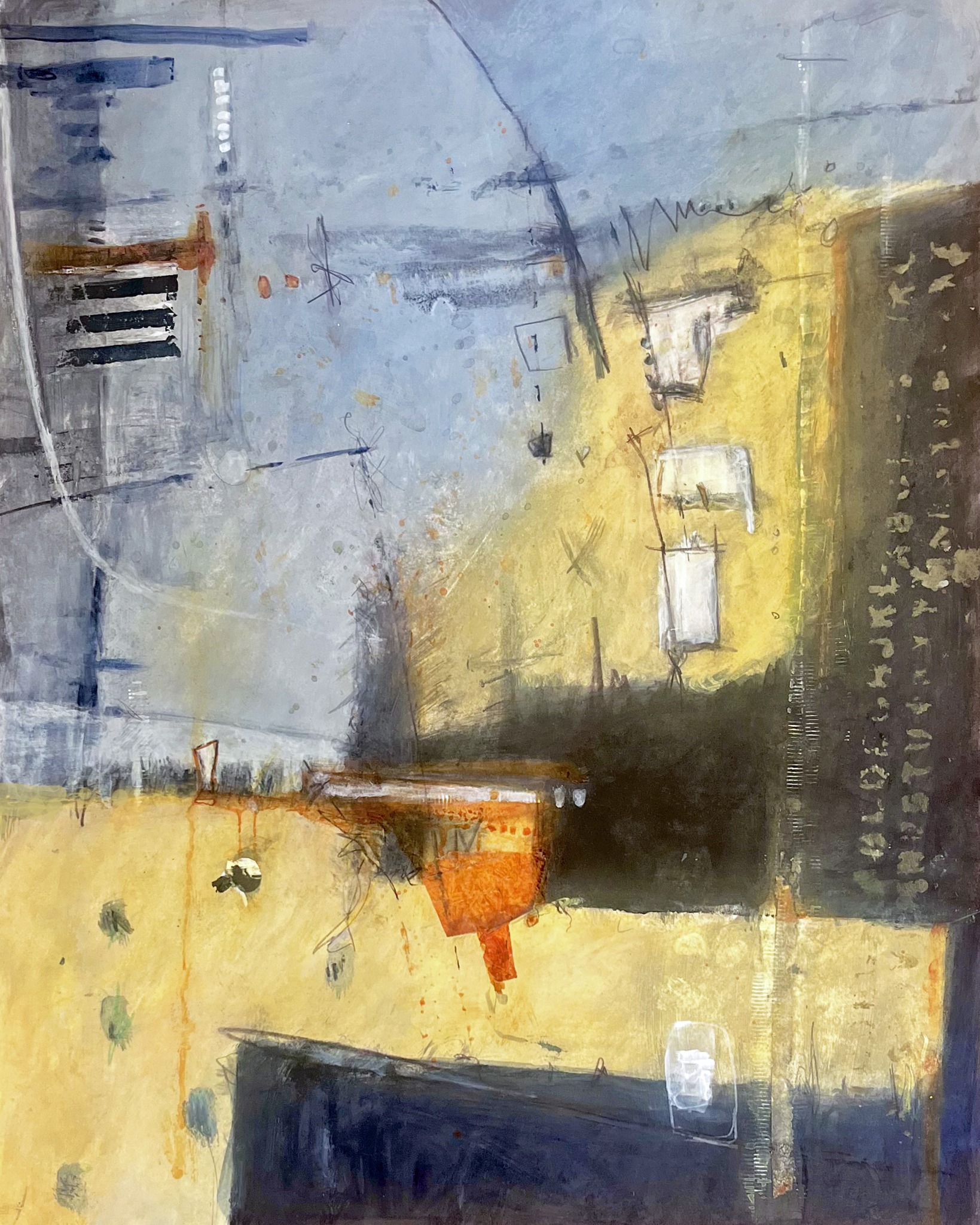


Abstract painting still carries a stubborn myth: that it is impulsive, unstructured, even skill-less. Elaine Daily-Birnbaum knows better. For her, abstraction is not the abandonment of discipline but its refinement — a practice that demands an even sharper command of composition, design, and intention. Without the anchor of a recognizable subject, every decision about shape, value, rhythm, and color must work harder to hold the viewer’s attention and stir something deeper.
Long before she began painting abstractly herself, Daily-Birnbaum was drawn to work that invited mystery rather than explanation — paintings that provoked, suggested, and lingered in the mind. In her studio today, abstraction is both liberation and risk: a balance between structure and surrender, between knowing the rules and daring to let go.
“One major misconception about abstract art is that it is simply the random, haphazard application of paint without direction or reference, and some might even say, artistic skills,” says Elaine Daily-Birnbaum. “This view is most generally held by one not educated in art.
“However, the principles of composition and design elements are even more crucial to a successful abstract painting than to a representational or realistic painting. Without a distinct subject, an abstract painting must depend solely on the successful application of these principles and elements to create an image of visual interest and intrigue. An abstract painting must overcome the brain’s natural desire to identify an object.
“Even before I ever painted abstractly, I was drawn to abstract paintings — paintings that provided me with a unique, subjective experience, paintings that provoked an emotional or psychological response, paintings that flirted with my mind. I prefer not to be told everything, but rather be allowed to experience the qualia of a painting.
“To me, suggestion can be more powerful than reality. I agree with Albert Einstein that “The most beautiful thing we can experience is the mysterious. It is the source of all true art and all science.”
“In addition, I love the freedom of expression that abstract painting affords me. That process of exploration and discovery with paint is what I find so exciting. The outcome may or may not be satisfying, but, oh, the ride getting there.”
WHERE TO START WITH ABSTRACT PAINTING
“One typically doesn’t start out to an abstract painter; it is an evolution. Nor is abstract art, like any other visual art, part of a hierarchy. However, for those interested in abstract painting, possessing a firm grasp of compositional elements and design principles is absolutely essential. That becomes the roadmap to a successful outcome.
“Equally important, in my opinion, is understanding why one wants to paint abstractly. What about that creative process is compelling? What story or idea do you want to express?
“In addition, I would like to emphasize the mental and emotional demands of reaching deep within one’s consciousness to create a compelling image or depiction relying on shapes and color. All this, WHILE giving up some element of control and allowing the painting process to evolve. This freedom is something I struggle with, at least to some degree, in almost every one of my paintings. It is a little bit scary. But it is also the part that is the most exciting and rewarding. And did I mention CHALLENGING?”
'그림공부' 카테고리의 다른 글
| ( 그림공부 ) 내 카운터 위의 물건들-Stuff on My Counter (2) | 2026.03.25 |
|---|---|
| ( 그림공부 ) 내면의 영감의 불꽃-The Spark of Inspiration Within (0) | 2026.03.05 |
| ( 그림공부 ) 그림에 자유로움을 더하는 방법 (구조 vs. 즉흥성) How to Loosen up Your Paintings (structure vs spontaneity) (3) | 2026.02.18 |
| ( 그림 공부 ) 예술가를 위한 영감: 학습 곡선(Inspiration for Artists: Learning Curve)) (0) | 2026.02.14 |
| ( 그림공부 ) 현장에서 비행기 그리기 (Painting Airplanes on Location) (3) | 2026.01.23 |


